

Iron Deficiency Anaemia in Malaysia: Symptoms, Causes, and Treatment Options

Understanding Iron Deficiency Anaemia: Why It Should Not Be Ignored
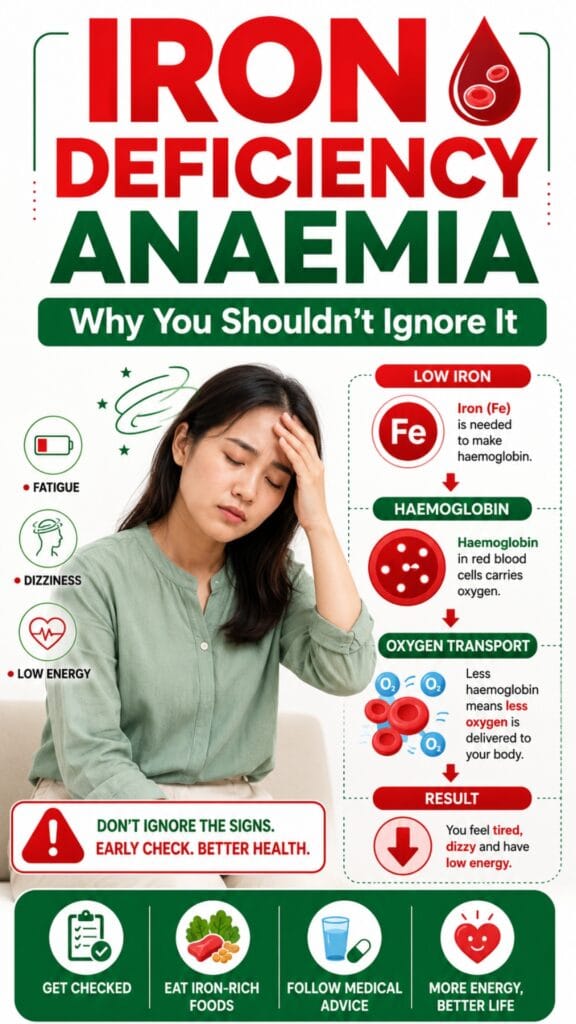
Iron deficiency anaemia is one of the most common blood conditions seen in Malaysia. It develops when the body does not have enough iron to produce healthy haemoglobin, the oxygen-carrying protein inside red blood cells. When haemoglobin levels fall, oxygen delivery to the body’s tissues and organs becomes less efficient. This is why people with iron deficiency anaemia often feel tired, weak, dizzy, or short of breath.
Many patients assume iron deficiency anaemia is simply caused by not eating enough iron-rich food. While diet can play a role, it is not the only cause. The condition may also result from heavy menstrual bleeding, pregnancy, hidden gastrointestinal bleeding, poor iron absorption, chronic illness, or long-term medication use. In some adults, especially men and postmenopausal women, iron deficiency anaemia may be the first sign of an underlying problem that requires proper investigation.
This is why iron deficiency anaemia should not be dismissed as “just low iron.” Left untreated, it can affect work performance, concentration, exercise tolerance, heart function, pregnancy outcomes, and a child’s growth and development. The symptoms may appear gradually, but the impact on daily life can be significant.
As a Consultant Haematologist at Pantai Hospital Kuala Lumpur, Dr Sivakumar Palaniappan sees patients with iron deficiency anaemia across all age groups. With the right diagnosis and treatment plan, most patients recover well. The key is not only to restore iron levels, but also to identify why the deficiency developed in the first place.
When Should You See a Haematologist for Iron Deficiency Anaemia?
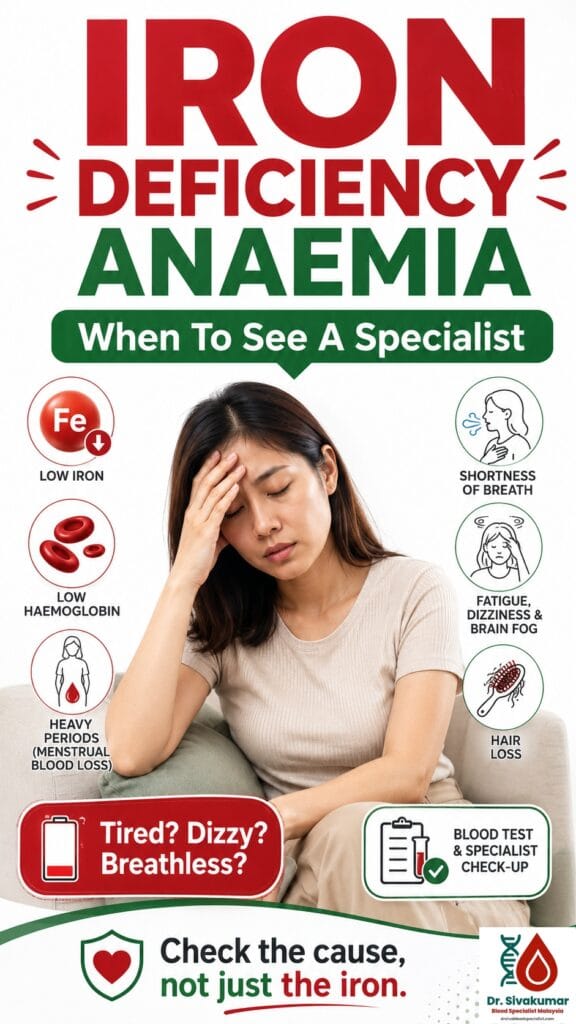
Iron deficiency anaemia is common, but it is not always straightforward. Many cases can be managed by a general practitioner, especially when the cause is clear and the response to treatment is good. However, specialist assessment is important when the anaemia is severe, recurrent, unexplained, or not responding as expected.
You should consider seeing a haematologist if you have:
- Persistent fatigue or weakness despite taking iron supplements.
- Severe or recurrent iron deficiency anaemia.
- Shortness of breath, chest discomfort, or palpitations.
- Heavy or prolonged menstrual bleeding.
- Black stools, blood in the stool, abdominal pain, or unexplained weight loss.
- Poor response to oral iron treatment.
- Iron deficiency without an obvious cause, especially in men or postmenopausal women.
A haematologist can help confirm the diagnosis, identify hidden causes of iron loss, rule out other blood disorders, and create a treatment plan tailored to your condition. In some patients, this may include intravenous iron therapy, further gastrointestinal investigation, or long-term monitoring to prevent recurrence.
Frequently Asked Questions About Iron Deficiency Anaemia
Iron deficiency anaemia is common, but many patients still have important questions about what it means, how serious it is, and what they should do next. These are some of the questions patients often ask in clinic.
Can iron deficiency anaemia make me feel exhausted all the time?
Yes. Persistent tiredness is one of the most common symptoms of iron deficiency anaemia. When iron levels are low, the body produces less haemoglobin. This reduces oxygen delivery to muscles, the brain, and other organs. As a result, even simple daily activities may feel unusually tiring.
Why do I feel breathless when climbing stairs?
Shortness of breath can occur because your body is not receiving enough oxygen. When haemoglobin levels are low, your heart and lungs have to work harder to deliver oxygen around the body. This can make walking quickly, climbing stairs, or carrying groceries feel more difficult than usual.
Can iron deficiency cause hair loss?
Yes. Low iron levels can affect hair growth and may contribute to increased hair shedding or thinning. Hair recovery usually takes time, even after iron levels improve. In many patients, hair growth becomes better once the deficiency is corrected and iron stores are replenished.
Why do some people with iron deficiency crave ice?
Some patients develop a condition called pica, where they crave unusual substances such as ice, soil, paper, or starch. Craving ice, also known as pagophagia, is a recognised feature of iron deficiency. The exact reason is not fully understood, but it often improves once iron levels are restored.
Is iron deficiency anaemia common during pregnancy?
Yes. Pregnancy increases the body’s iron requirement because iron is needed to support the growing baby, placenta, and increased blood volume. Without enough iron intake or supplementation, many pregnant women develop iron deficiency anaemia, especially in the second and third trimesters.
Can heavy periods cause iron deficiency anaemia?
Yes. Heavy menstrual bleeding is one of the leading causes of iron deficiency anaemia in women. If blood loss each month is greater than the amount of iron the body can replace, iron stores gradually fall. Over time, this can lead to anaemia.
Will eating more spinach and red meat fix my iron deficiency?
Diet can help, but it may not be enough once iron levels are already low. Food is important for prevention and recovery, but many patients require iron supplements or intravenous iron therapy. If there is ongoing blood loss or poor absorption, diet alone will not solve the problem.
Can iron deficiency anaemia be a sign of something serious?
Sometimes, yes. In men and postmenopausal women, iron deficiency anaemia may be caused by hidden bleeding from the stomach or intestines. Possible causes include ulcers, polyps, inflammation, or cancer. This is why proper medical evaluation is important before assuming it is only a dietary issue.
What is ferritin, and why does it matter?
Ferritin is a blood test that reflects the body’s iron stores. Low ferritin is often one of the earliest signs of iron deficiency, sometimes before haemoglobin levels fall. Checking ferritin helps doctors confirm iron deficiency and monitor whether treatment is restoring iron reserves properly.
How long does it take to recover from iron deficiency anaemia?
Many patients start to feel better within a few weeks of treatment. However, fully rebuilding iron stores usually takes several months. Treatment is often continued even after symptoms improve because haemoglobin may recover before iron reserves are fully restored.
How Iron Deficiency Anaemia Develops in the Body
Iron deficiency anaemia develops gradually. In many patients, iron stores begin falling long before symptoms become obvious. By the time fatigue, dizziness, or breathlessness appears, the body may already have been struggling with low iron levels for some time.
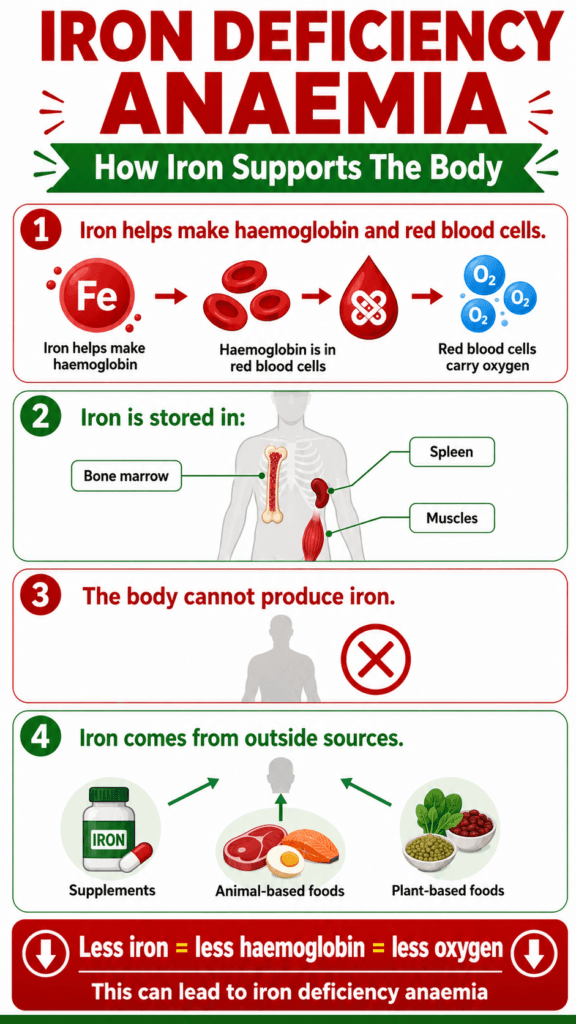
Iron is essential for making haemoglobin. Haemoglobin sits inside red blood cells and carries oxygen from the lungs to the rest of the body. When there is not enough iron, the bone marrow cannot produce enough healthy red blood cells. The cells that are produced are often smaller, paler, and less effective at carrying oxygen.
The Role of Iron in the Body
Iron supports several important functions, including:
- Haemoglobin production.
- Oxygen transport.
- Energy production within cells.
- Muscle performance.
- Brain function and concentration.
- Immune system support.
Most of the body’s iron is stored in the bone marrow, liver, spleen, and muscles. The body does not produce iron on its own, so iron must come from diet, supplements, or medical treatment when needed.
How Iron Deficiency Progresses
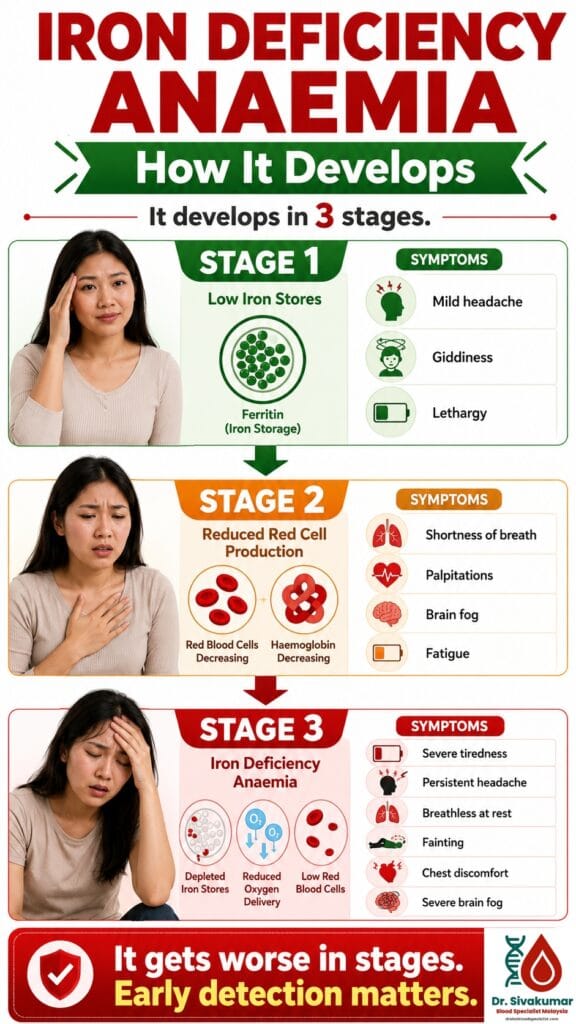
Iron deficiency usually progresses in stages.
Stage 1: Iron Stores Start to Fall
At this early stage, the body’s stored iron begins to decrease. Haemoglobin may still be normal, so many patients feel well and may not realise anything is wrong. Ferritin is often the first blood marker to fall.
Stage 2: Red Blood Cell Production Becomes Affected
As iron stores continue to drop, the bone marrow begins to struggle. Red blood cells may become smaller and paler because there is not enough iron to produce normal haemoglobin.
Stage 3: Iron Deficiency Anaemia Develops
Once haemoglobin falls below normal levels, anaemia is present. Oxygen delivery becomes less efficient, and symptoms such as fatigue, weakness, dizziness, breathlessness, and poor concentration become more noticeable.
Who Is Most Commonly Affected?
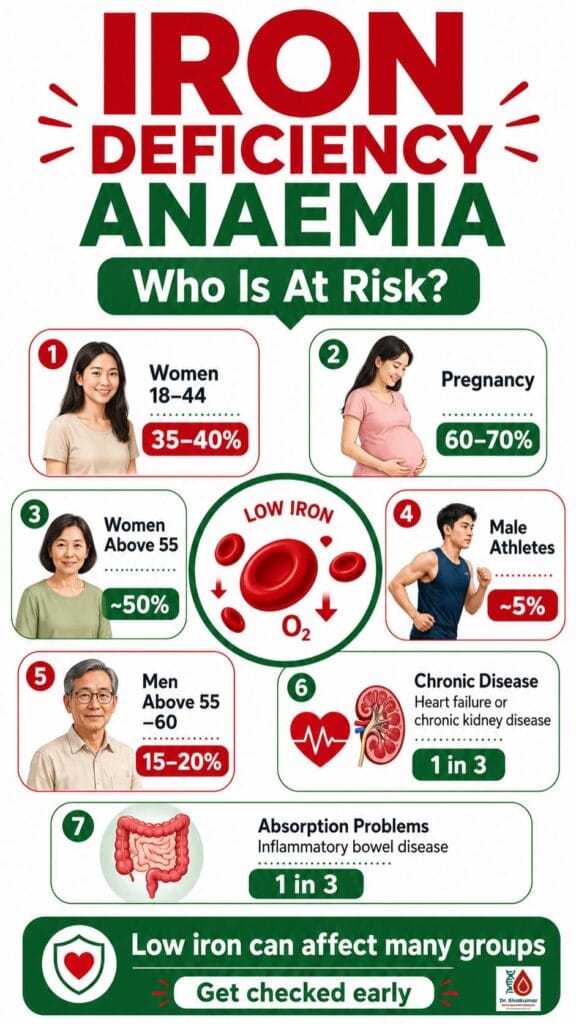
Iron deficiency anaemia can affect anyone, but it is particularly common in:
- Women with heavy menstrual bleeding.
- Pregnant women.
- Infants, children, and teenagers during rapid growth.
- Older adults.
- People with digestive disorders that affect absorption.
- People with poor dietary iron intake.
- Frequent blood donors.
- Patients with chronic disease or long-term inflammation.
Causes and Risk Factors of Iron Deficiency Anaemia
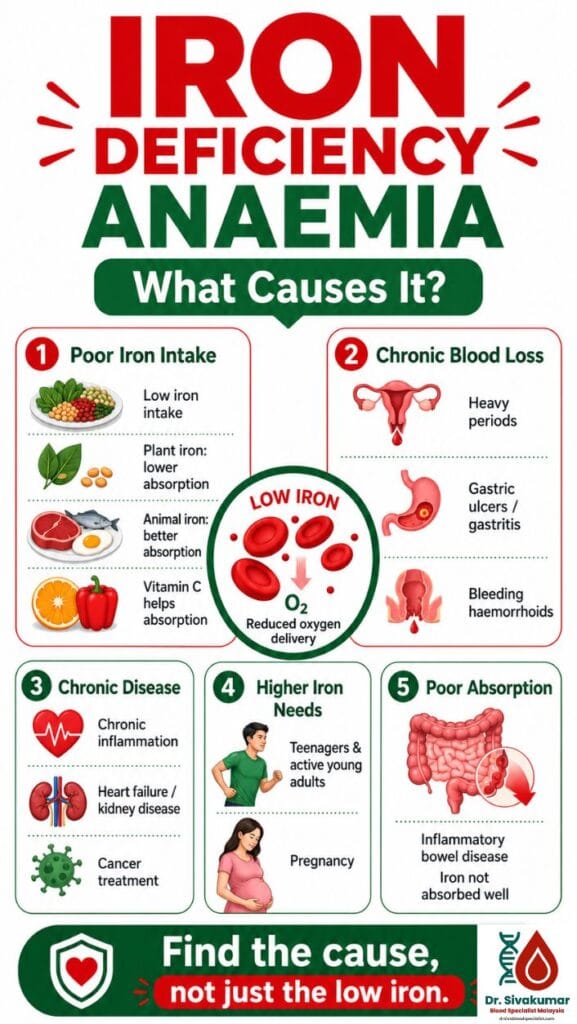
Iron deficiency anaemia develops when the body loses more iron than it absorbs, or when iron requirements rise beyond what diet and iron stores can provide. In many patients, more than one factor is involved.
Finding the cause is just as important as correcting the iron level. If the underlying problem is not addressed, iron deficiency may return even after treatment.
Poor Dietary Iron Intake
A low-iron diet can contribute to iron deficiency, especially over time. This may occur in people who eat very little meat, follow strict vegetarian or vegan diets without adequate iron-rich alternatives, or have reduced appetite due to age, illness, or restrictive eating patterns.
There are two main types of dietary iron.
Haem Iron
Haem iron is found in animal-based foods such as red meat, liver, poultry, and seafood. It is more easily absorbed by the body.
Non-Haem Iron
Non-haem iron is found in plant-based foods such as spinach, lentils, beans, tofu, chickpeas, and fortified cereals. These foods are healthy and valuable, but the iron is less efficiently absorbed. Pairing them with vitamin C can improve absorption.
Chronic Blood Loss
Blood loss is one of the most important causes of iron deficiency anaemia.
Heavy Menstrual Bleeding
Women with heavy or prolonged periods may lose a significant amount of iron every month. If this continues over time, the body’s iron stores may not recover between menstrual cycles.
Gastrointestinal Bleeding
Slow bleeding from the stomach or intestines can go unnoticed for months. This is especially important in men and postmenopausal women, where iron deficiency anaemia should always prompt consideration of gastrointestinal blood loss.
Possible causes include:
- Stomach ulcers.
- Gastritis.
- Haemorrhoids.
- Colon polyps.
- Inflammatory bowel disease.
- Stomach or bowel cancer.
- Long-term use of aspirin or anti-inflammatory medicines.
Increased Iron Requirements
Some people need more iron than usual. If intake does not match demand, deficiency can develop.
This is common during:
- Pregnancy.
- Breastfeeding.
- Childhood growth.
- Teenage growth spurts.
- Recovery after major illness or surgery.
Pregnancy is a particularly important period because iron is needed for both the mother and the developing baby.
Poor Iron Absorption
Some patients consume enough iron but cannot absorb it properly. This may occur due to:
- Coeliac disease.
- Inflammatory bowel disease.
- Chronic diarrhoea.
- Previous stomach or intestinal surgery.
- Long-term use of acid-reducing medications.
- Certain digestive disorders.
When absorption is poor, oral iron supplements may not work well. These patients may need further investigation and sometimes intravenous iron therapy.
Chronic Illness and Inflammation
Chronic diseases can interfere with iron regulation and red blood cell production. This may occur in patients with:
- Chronic kidney disease.
- Cancer.
- Autoimmune disease.
- Chronic infections.
- Long-term inflammatory conditions.
In these cases, the anaemia may be due to iron deficiency, chronic disease, or a combination of both.
Frequent Blood Donation
Regular blood donation can gradually reduce iron stores, especially if iron intake is not enough to replace what is lost. Frequent donors may need periodic ferritin checks and advice on iron replacement.
Symptoms and Warning Signs of Iron Deficiency Anaemia
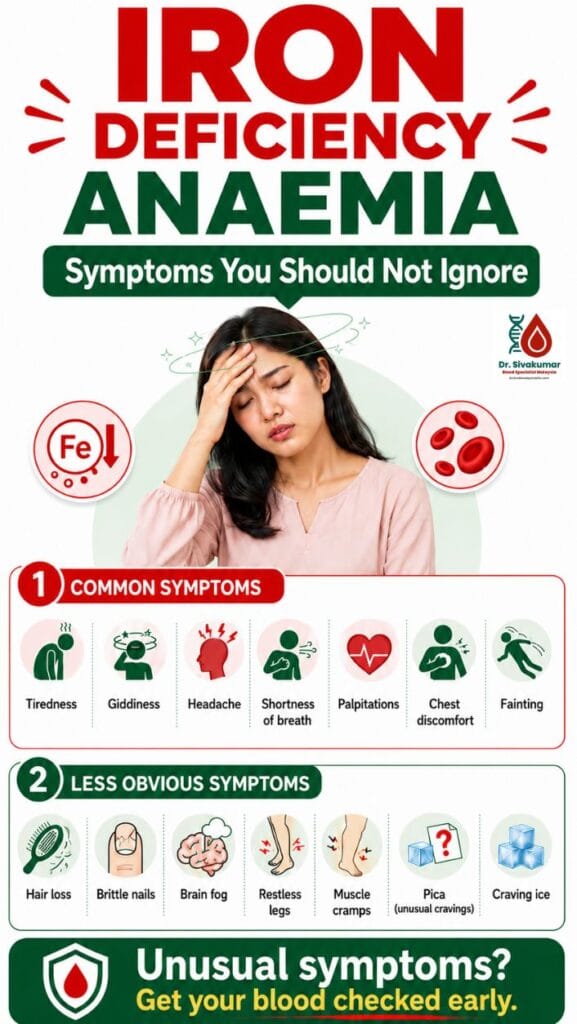
The symptoms of iron deficiency anaemia often develop slowly. Many patients adjust to feeling tired and only seek help when their daily routine becomes affected.
Because the symptoms can be vague, iron deficiency anaemia is sometimes mistaken for stress, poor sleep, ageing, or burnout. However, persistent symptoms should not be ignored.
Common Symptoms
Fatigue and Weakness
This is the most common complaint. Patients may feel tired despite sleeping well, or they may struggle to complete normal daily tasks.
Shortness of Breath
Reduced oxygen delivery can make physical activity more difficult. Climbing stairs, walking uphill, or exercising may feel harder than before.
Dizziness or Light-Headedness
Some patients feel dizzy, especially when standing up quickly. This occurs because the brain is receiving less oxygen than usual.
Pale Skin, Lips, or Nail Beds
Low haemoglobin can make the skin, gums, lips, or nail beds appear paler than normal.
Headaches
The brain is sensitive to changes in oxygen supply. Frequent headaches may occur when anaemia becomes more significant.
Additional Symptoms
Cold Hands and Feet
Poor oxygen delivery and circulation may cause the hands and feet to feel cold.
Hair Loss
Iron deficiency can contribute to hair thinning or increased shedding.
Brittle or Spoon-Shaped Nails
Nail changes may occur when iron deficiency is long-standing.
Poor Concentration and Brain Fog
Some patients struggle with memory, focus, or mental clarity.
Palpitations
The heart may beat faster or harder as it tries to compensate for reduced oxygen-carrying capacity.
Pica
Cravings for ice, soil, starch, or other unusual substances can occur in iron deficiency.
Symptoms in Children
Children with iron deficiency anaemia may show:
- Poor concentration in school.
- Reduced activity levels.
- Irritability.
- Delayed growth.
- Behavioural or learning difficulties.
Because these signs can be subtle, iron deficiency in children may be missed unless blood tests are performed.
Warning Signs That Need Prompt Medical Attention
Seek medical evaluation if you notice:
- Black or tarry stools.
- Blood in the stool.
- Persistent abdominal pain.
- Unexplained weight loss.
- Chest pain.
- Severe shortness of breath.
- Fainting episodes.
- Symptoms that continue despite iron supplements.
These signs may suggest more serious underlying causes and should not be treated with supplements alone.
Diagnosis and Tests for Iron Deficiency Anaemia
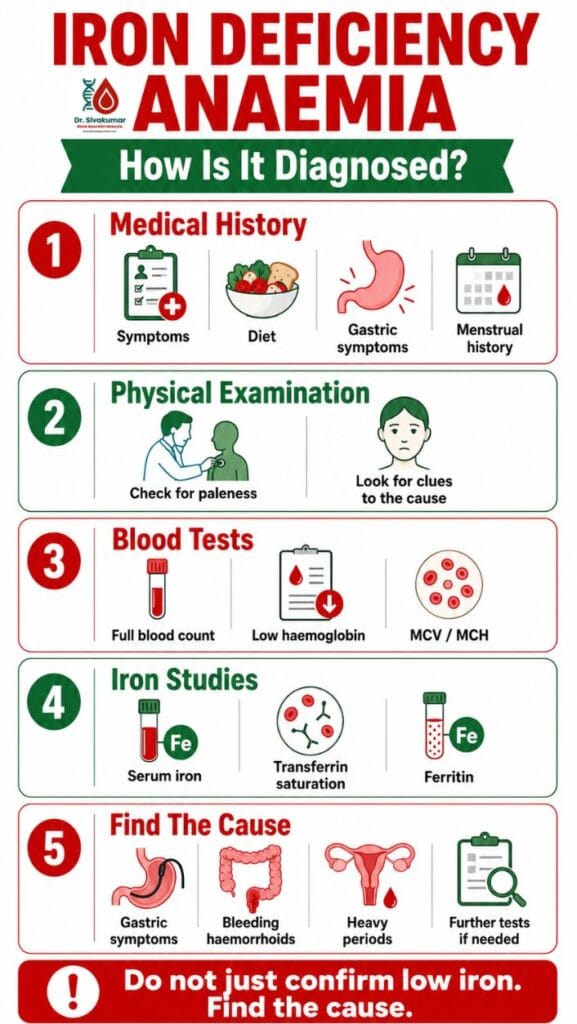
Iron deficiency anaemia cannot be diagnosed based on symptoms alone. Fatigue, dizziness, and breathlessness can occur in many conditions. Proper testing is needed to confirm iron deficiency, assess its severity, and identify the cause.
Medical History and Physical Examination
The assessment usually begins with a detailed discussion about:
- How long symptoms have been present.
- Menstrual history in women.
- Pregnancy history where relevant.
- Diet and nutritional intake.
- Gastrointestinal symptoms.
- Medication use.
- Blood donation history.
- Family history of blood disorders.
- Past medical conditions.
During the physical examination, the doctor may look for pale skin, brittle nails, rapid heartbeat, abdominal tenderness, or signs of other underlying disease.
Blood Tests
Complete Blood Count
A complete blood count, or CBC, is usually the first test. It checks:
- Haemoglobin level.
- Red blood cell count.
- Red blood cell size.
- White blood cell count.
- Platelet count.
In iron deficiency anaemia, red blood cells are often smaller and paler than normal.
Ferritin
Ferritin reflects the body’s stored iron. Low ferritin is one of the most useful markers of iron deficiency. In some patients, ferritin may fall before haemoglobin becomes abnormal.
Iron Studies
Iron studies may include:
- Serum iron.
- Total iron-binding capacity.
- Transferrin saturation.
- Ferritin.
These tests help confirm whether anaemia is due to iron deficiency and guide treatment decisions.
Further Investigations
If the cause of iron deficiency is not obvious, further tests may be needed.
Gastrointestinal Evaluation
Men and postmenopausal women with iron deficiency anaemia often require assessment for hidden gastrointestinal bleeding. This may include:
- Gastroscopy.
- Colonoscopy.
- Stool testing for hidden blood.
These tests help detect ulcers, inflammation, polyps, or cancers.
Tests for Absorption Problems
If poor absorption is suspected, testing may be done for:
- Coeliac disease.
- Inflammatory bowel disease.
- Chronic digestive disorders.
Why Accurate Diagnosis Matters
Not all anaemia is due to iron deficiency. Conditions such as thalassaemia, anaemia of chronic disease, kidney disease, and blood cancers can also cause low haemoglobin.
Taking iron supplements without proper testing may temporarily improve symptoms but delay the diagnosis of a more serious condition. A proper evaluation ensures that treatment is safe, accurate, and effective.
Treatment Options for Iron Deficiency Anaemia
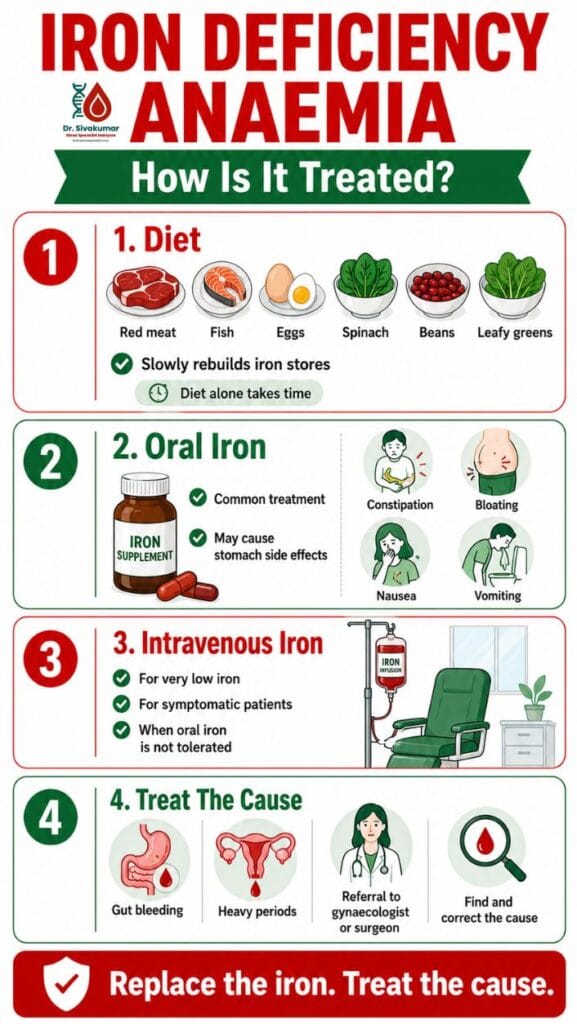
Treatment has two goals: restore healthy iron levels and treat the underlying cause. Both are important. If iron is replaced but the cause is not addressed, the deficiency may return.
The best treatment depends on the severity of anaemia, symptoms, tolerance of medication, absorption ability, and whether there is ongoing blood loss.
Oral Iron Supplements
Oral iron is often the first-line treatment for mild to moderate iron deficiency anaemia. It may be given as tablets, capsules, or liquid preparations.
How Oral Iron Helps
Oral iron provides the raw material needed to rebuild haemoglobin and replenish iron stores. Many patients feel better within two to four weeks, although full recovery takes longer.
Common Side Effects
Some patients experience:
- Constipation.
- Nausea.
- Abdominal discomfort.
- Dark stools.
- Metallic taste.
These side effects can often be managed by adjusting the dose, formulation, or timing. Some patients tolerate alternate-day dosing better, depending on medical advice.
Dietary Changes
Diet supports recovery and helps prevent recurrence.
Iron-Rich Foods
Good sources of iron include:
- Red meat.
- Liver.
- Poultry.
- Seafood.
- Lentils.
- Beans.
- Chickpeas.
- Tofu.
- Spinach and leafy greens.
- Iron-fortified cereals.
Improving Iron Absorption
Vitamin C helps increase iron absorption. Patients may be advised to take iron-rich meals with:
- Citrus fruits.
- Guava.
- Tomatoes.
- Capsicum.
- Berries.
Tea and coffee can reduce iron absorption when taken with meals, so it is better to avoid them immediately after eating or taking iron supplements.
Intravenous Iron Therapy
Intravenous iron, sometimes called IV iron therapy, delivers iron directly into the bloodstream. It may be recommended when oral iron is unsuitable or ineffective.
When IV Iron May Be Needed
IV iron may be considered for patients with:
- Severe iron deficiency anaemia.
- Poor tolerance of oral iron.
- Poor absorption from the gut.
- Inflammatory bowel disease.
- Chronic kidney disease.
- Ongoing blood loss.
- Need for faster correction before surgery or pregnancy-related concerns.
- Poor response to oral supplements.
IV iron can restore iron stores more quickly than oral treatment, but it should be given in an appropriate clinical setting under medical supervision.
Blood Transfusions
Blood transfusions are usually reserved for severe anaemia or patients with significant symptoms such as chest pain, fainting, severe breathlessness, or very low haemoglobin.
A transfusion can raise haemoglobin quickly, but it does not correct the underlying iron deficiency. Further treatment and investigation are still needed.
Treating the Underlying Cause
Long-term recovery depends on addressing why iron deficiency developed.
This may involve:
- Treating heavy menstrual bleeding.
- Managing ulcers or gastritis.
- Removing colon polyps.
- Treating coeliac disease or inflammatory bowel disease.
- Reviewing medications that contribute to bleeding.
- Managing chronic kidney disease or inflammatory conditions.
Without this step, anaemia may recur.
Monitoring and Follow-Up
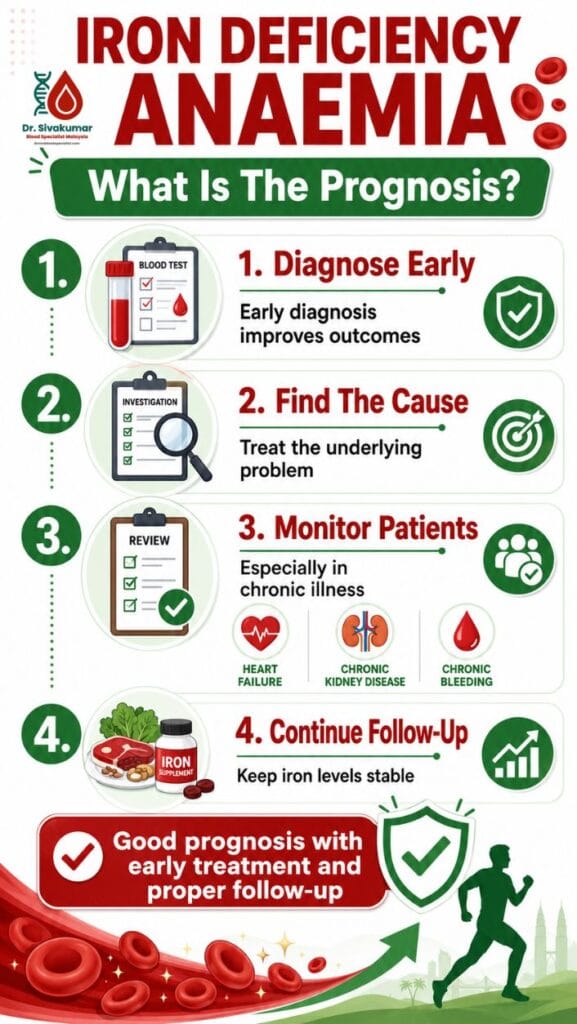
Repeat blood tests are usually needed to ensure haemoglobin and ferritin levels are improving. Even after symptoms improve, treatment often continues for several months to fully rebuild iron stores.
Recovery and Long-Term Management of Iron Deficiency Anaemia
Recovery from iron deficiency anaemia is usually very good once the cause is identified and treated. However, it is rarely instant. Most patients improve gradually over weeks to months.
What to Expect During Recovery
Patients often first notice:
- Better energy.
- Less dizziness.
- Improved concentration.
- Reduced breathlessness.
- Better exercise tolerance.
Hair shedding, brittle nails, and low stamina may take longer to improve because the body needs time to restore iron reserves.
Why Treatment Should Continue After Symptoms Improve
One common mistake is stopping iron too early. Haemoglobin may return to normal before ferritin and iron stores are fully replenished. If treatment stops too soon, symptoms may return.
This is why follow-up blood tests are important.
Patients at Higher Risk of Recurrence
Some patients need longer-term monitoring, including:
- Women with heavy periods.
- Pregnant women.
- Patients with digestive disorders.
- Frequent blood donors.
- Older adults.
- Patients with chronic kidney disease or inflammatory conditions.
Regular monitoring helps detect recurrence early, before symptoms become severe again.
Complications If Left Untreated
Untreated iron deficiency anaemia can lead to:
- Reduced work or school performance.
- Poor concentration.
- Reduced physical stamina.
- Heart strain.
- Pregnancy complications.
- Low birth weight or premature delivery.
- Delayed growth or development in children.
- Reduced quality of life.
Emotional and Mental Wellbeing
Long-term fatigue can affect mood, confidence, motivation, and daily relationships. Many patients feel frustrated because they “look well” but do not feel well.
Understanding that iron deficiency anaemia is treatable can be reassuring. With the right plan and follow-up, most patients regain their energy and return to normal activities.
Dr Sivakumar’s Advice on Iron Deficiency Anaemia
One of the most common mistakes I see in clinical practice is patients underestimating iron deficiency anaemia. Many people attribute persistent fatigue, dizziness, breathlessness, poor concentration, or weakness to stress, ageing, poor sleep, or a busy schedule. In reality, the body may be struggling to deliver enough oxygen to function properly.
My first advice is simple: do not ignore symptoms that persist. A full blood count and ferritin test can often detect iron deficiency before it becomes more serious. The earlier we identify the problem, the easier it is to treat and the lower the risk of complications.
My second advice is equally important: iron deficiency anaemia is not always caused by diet. While low iron intake can contribute to the condition, adults should be properly assessed for other causes. In men and postmenopausal women, we must consider hidden blood loss from the stomach or intestines. In women with heavy menstrual bleeding, monthly blood loss may be enough to keep iron levels low despite a reasonable diet. In some patients, poor absorption from the digestive tract may also be the reason iron levels do not improve.
For patients already on treatment, consistency matters. Iron therapy takes time. Many people stop their supplements once they feel better, but symptoms can return if iron stores are not fully replenished. Follow your treatment plan, attend your blood tests, and complete the course advised by your doctor.
The good news is that iron deficiency anaemia is highly treatable. With proper diagnosis, the right treatment, and ongoing monitoring where needed, most patients recover well and regain their energy, focus, and quality of life.
Book an Appointment with Dr Sivakumar Palaniappan
If you are experiencing persistent fatigue, dizziness, breathlessness, heavy menstrual bleeding, or symptoms that do not improve despite taking iron supplements, it may be time to seek specialist care.
Dr Sivakumar Palaniappan is a Consultant Haematologist at Pantai Hospital Kuala Lumpur with experience in diagnosing and treating iron deficiency anaemia and other blood disorders. A consultation can help identify the cause of your low iron levels, rule out more serious underlying conditions, and guide you towards the right treatment plan.
Early diagnosis makes a real difference. If you are concerned about iron deficiency anaemia, book an appointment with Dr Sivakumar Palaniappan for a proper evaluation and personalised care.
Get Help Today
Contact me by phone or via the booking form to schedule your visit, choosing a convenient date and time. You will receive confirmation and reminders promptly.
Dr. Siva
Visit my clinic on your scheduled date to discuss your concerns and symptoms with me. I will conduct a thorough examination and provide an initial diagnosis.
Review your personalized treatment plan and understand the recommended procedures and their benefits. Begin your journey to recovery with my expert care.
Frequently Asked Questions

Contact & Request Appointment
Schedule a consultation with Dr. Siva by using the form below, calling his clinic or using the online booking button.
Appointment Form
Clinic Contact
Clinic: +603-2280 1169
Mobile: +6017-787 8293
Block A, Level 5, A539, 8, Jalan Bukit Pantai, 59100 Kuala Lumpur, Malaysia
Mon – Fri: 09:00 – 17:00
Sat: 09:00 – 13:00
Sun & Holidays: closed
 English (UK)
  Bahasa Melayu
  தமிழ்
தமிழ்  Bahasa Indonesia