

Myeloma: Symptoms, Diagnosis & Treatment in Kuala Lumpur, Malaysia
Myeloma: Why This Blood Cancer Should Be Detected Early
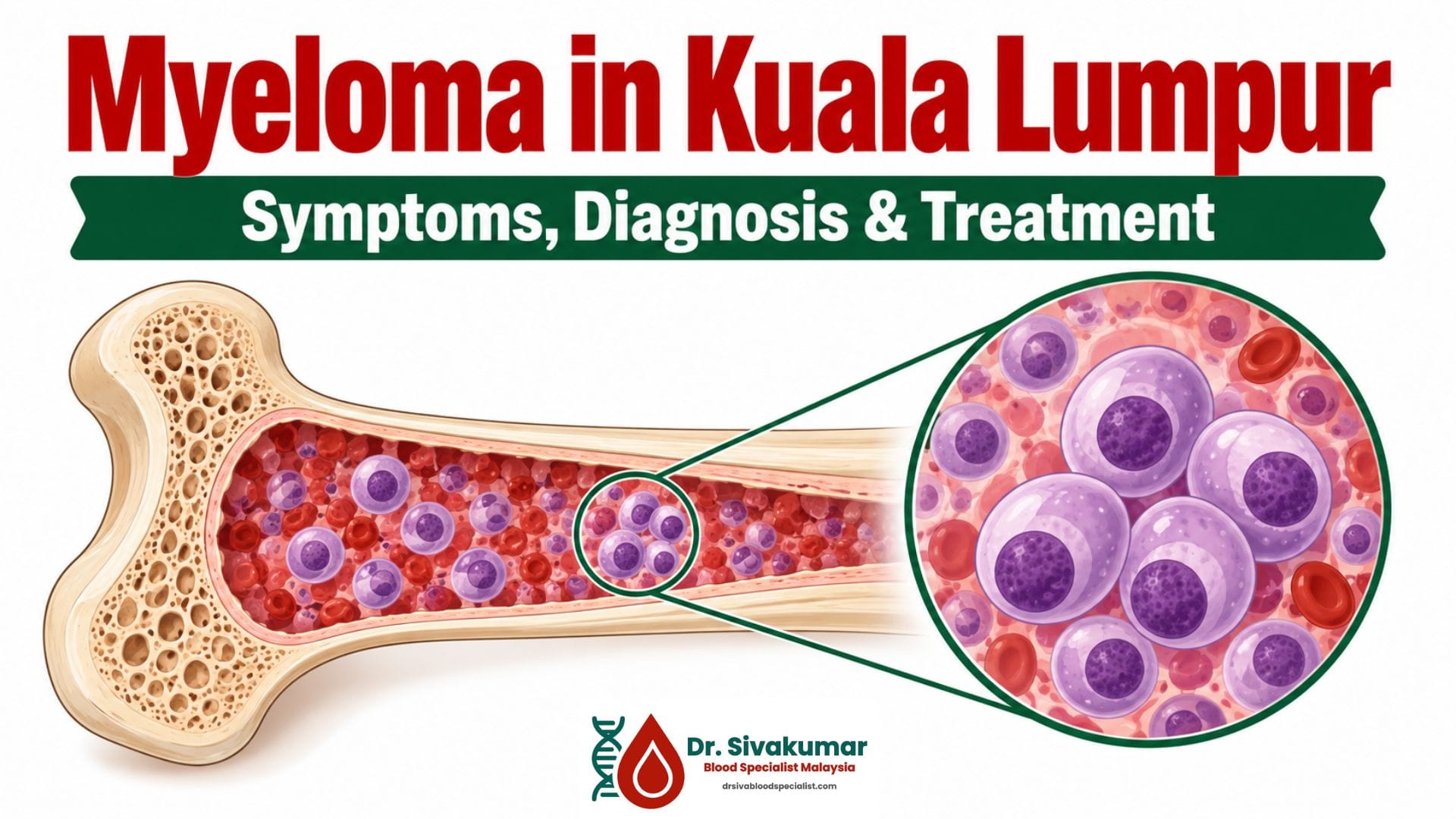
Myeloma, also known as multiple myeloma, is a type of blood cancer that begins in plasma cells. Plasma cells are white blood cells found mainly in the bone marrow. Their normal role is to produce antibodies that help the body fight infection. In myeloma, some plasma cells become abnormal, multiply uncontrollably, and crowd out healthy blood-forming cells in the bone marrow.
Unlike some cancers that form one solid tumour, myeloma often affects several areas of bone marrow at the same time. This is why it is commonly called multiple myeloma. The condition can weaken bones, reduce blood counts, affect kidney function, raise calcium levels, and lower the body’s ability to fight infections.
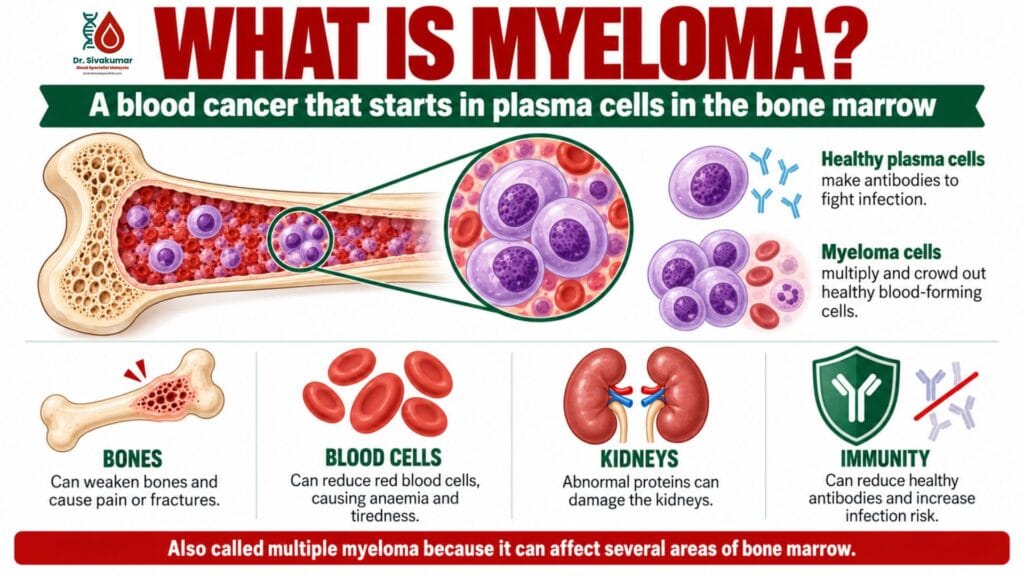
One challenge with myeloma is that the early symptoms can be vague. A patient may experience back pain, tiredness, recurrent infections, or unexplained anaemia and assume these are due to ageing, work stress, or a simple vitamin deficiency. In other patients, myeloma is first suspected after routine blood tests show abnormal protein levels, kidney changes, or low haemoglobin.
The good news is that treatment for myeloma has advanced significantly. Today, patients may benefit from combinations of targeted therapy, immunotherapy, steroids, chemotherapy, stem cell transplantation, CAR-T therapy, bispecific antibodies, and supportive care. While myeloma is often a long-term condition, many patients can achieve good disease control and maintain quality of life with the right treatment plan.
As a Consultant Haematologist at Pantai Hospital Kuala Lumpur, Dr Sivakumar Palaniappan assesses and manages patients with myeloma and other blood cancers. Early diagnosis matters because it allows complications to be prevented or treated promptly, and it helps patients access the most appropriate treatment at the right time.
Frequently Asked Questions About Myeloma
Patients and families often have many questions when they first hear the word myeloma. These questions usually go beyond the basic definition. They are about daily symptoms, treatment choices, long-term outlook, and what the diagnosis means for life ahead.
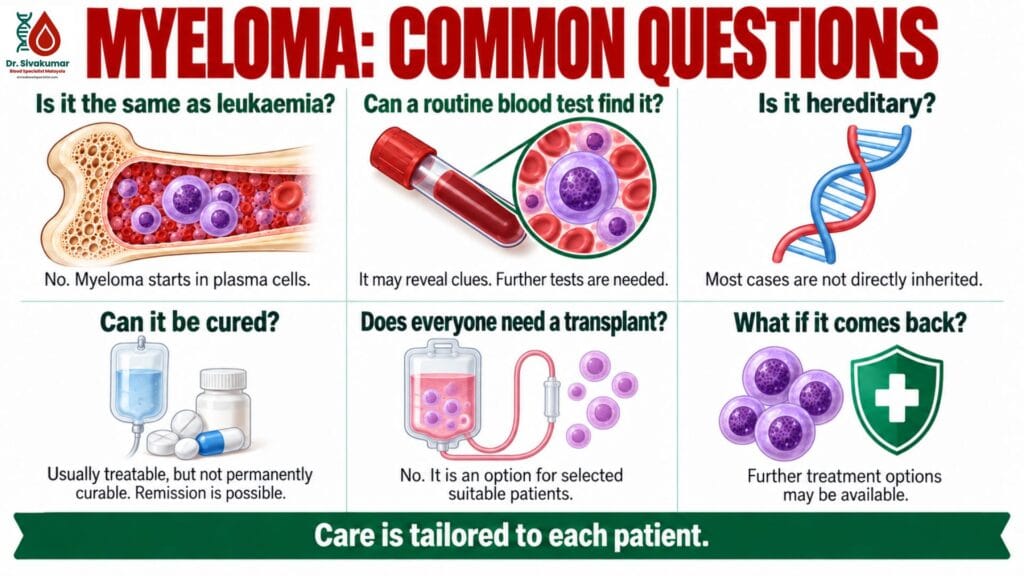
Is myeloma the same as leukaemia or lymphoma?
No. Myeloma, leukaemia, and lymphoma are all blood cancers, but they start from different blood cells. Myeloma begins in plasma cells in the bone marrow. Leukaemia usually begins in blood-forming cells in the bone marrow, while lymphoma begins in lymphocytes, often in the lymphatic system.
Why does myeloma often cause back pain?
Myeloma can weaken bones because abnormal plasma cells interfere with normal bone repair. The spine, ribs, pelvis, and skull are common areas affected. Back pain that is persistent, worsening, unexplained, or associated with anaemia, kidney problems, or weight loss should be assessed properly.
Can myeloma be found through a normal blood test?
Sometimes, yes. A routine blood test may show anaemia, high calcium, kidney impairment, or high protein levels. These results do not confirm myeloma by themselves, but they may prompt further tests such as serum protein electrophoresis, immunofixation, serum free light chain testing, urine tests, imaging, and bone marrow examination.
Is myeloma hereditary?
Most cases of myeloma are not directly inherited. Having a close family member with myeloma may slightly increase risk, but most patients do not have a strong family history. Age, underlying precursor conditions, immune changes, and other factors may all play a role.
Can myeloma be cured?
Myeloma is usually considered treatable but often not permanently curable with standard therapy. Many patients achieve deep remission and live well for years, but relapse can occur. Newer treatments are improving outcomes, especially when care is individualised and patients are monitored closely.
Will every patient need a stem cell transplant?
No. Stem cell transplantation may be recommended for selected fit patients, especially as part of initial treatment. However, it is not suitable for everyone. Age, general health, kidney function, disease biology, response to treatment, and patient preference all matter.
Can myeloma affect the kidneys?
Yes. Myeloma proteins, high calcium levels, dehydration, infections, and some medications can affect kidney function. Kidney problems may sometimes be one of the first signs of myeloma. Early diagnosis and treatment can help protect kidney function.
Can patients with myeloma continue working?
Many patients continue working, but this depends on symptoms, treatment intensity, infection risk, bone disease, fatigue, and response to therapy. Some patients need temporary adjustments, reduced workload, or time away during intensive treatment or stem cell transplantation.
What happens if myeloma comes back after treatment?
Relapse is common in myeloma. If the disease returns, treatment options may include different drug combinations, monoclonal antibodies, proteasome inhibitors, immunomodulatory drugs, CAR-T therapy, bispecific antibodies, clinical trials, or supportive treatment depending on the patient’s condition and previous therapy.
When Should You See a Haematologist About Myeloma?
Myeloma can be difficult to recognise early because its symptoms often resemble common problems such as back pain, tiredness, or recurrent infections. A haematologist should be involved when blood tests, symptoms, or imaging raise concern for a plasma cell disorder.
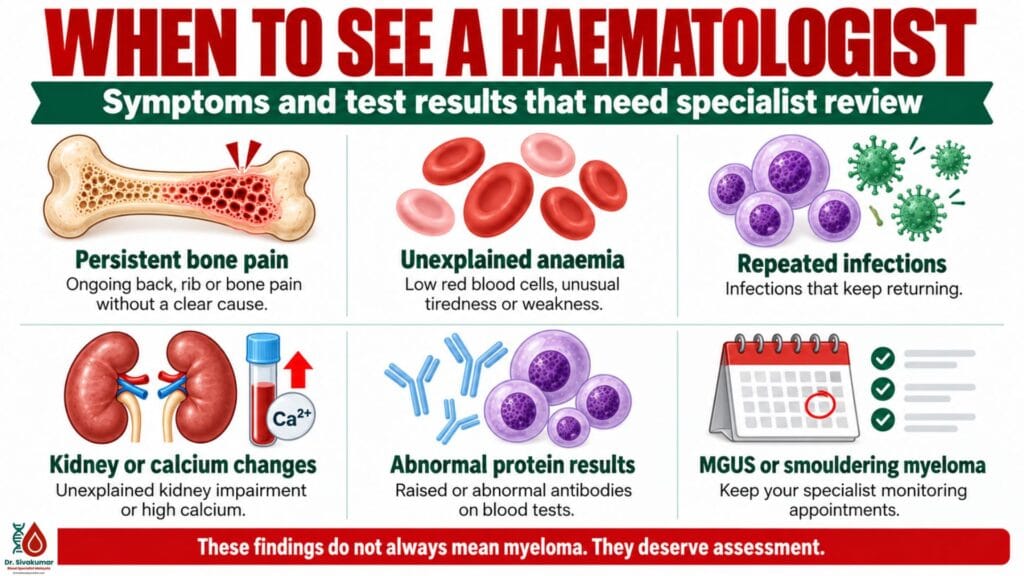
You should consider seeing a haematologist if you have:
- Persistent or unexplained anaemia.
- Ongoing back, rib, or bone pain without a clear cause.
- Recurrent infections or unusual fatigue.
- High calcium levels on blood tests.
- Kidney impairment without a clear explanation.
- Unexplained high protein or abnormal antibody levels.
- A fracture after minimal injury.
- Unexplained weight loss together with abnormal blood results.
- MGUS or smouldering myeloma requiring monitoring.
A haematologist can arrange the right tests to confirm whether myeloma is present, assess whether the disease is active, and decide whether treatment is needed immediately or whether careful monitoring is appropriate. For patients in Malaysia, early specialist assessment can help prevent complications such as bone damage, kidney failure, severe anaemia, and recurrent infections.
Understanding Myeloma: How It Develops in the Body
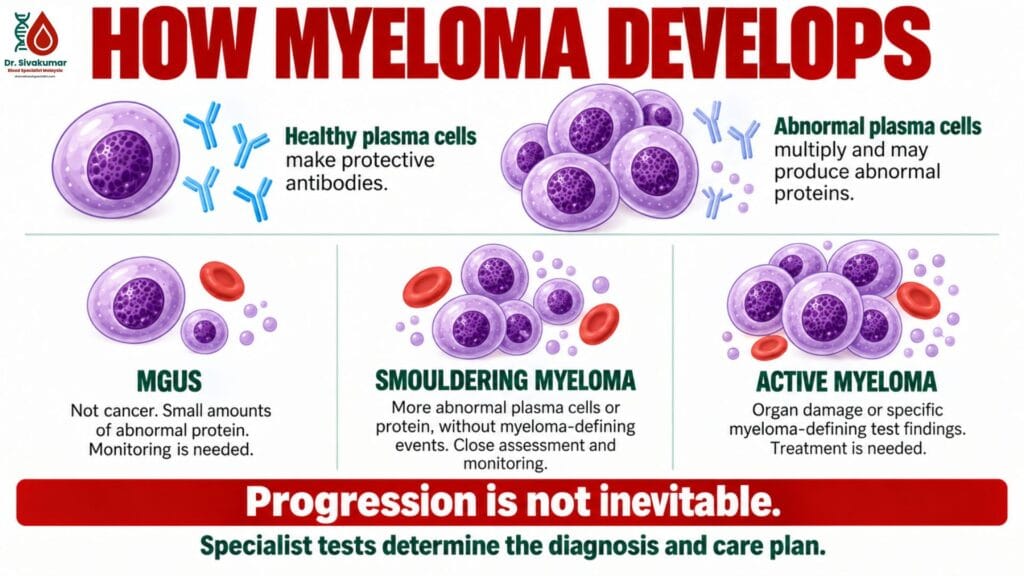
Myeloma begins when plasma cells in the bone marrow become abnormal. Plasma cells are part of the immune system and normally make antibodies to help fight infection. In myeloma, one abnormal plasma cell clone multiplies and produces large amounts of a single abnormal antibody or antibody fragment. This is often called a monoclonal protein, M protein, or paraprotein.
As these abnormal plasma cells build up in the bone marrow, they disrupt normal blood production and affect surrounding bone. They may also release proteins into the bloodstream and urine, which can affect kidney function and other organs.
Plasma Cells and Monoclonal Protein
Healthy plasma cells produce many different antibodies to protect the body. Myeloma cells produce one dominant abnormal antibody or light chain. Measuring this monoclonal protein helps doctors diagnose myeloma, estimate disease burden, and monitor treatment response.
In some patients, the abnormal protein is mainly found in the blood. In others, light chains are found in the urine. Some patients produce very little measurable protein, which is why diagnosis requires a combination of blood tests, urine tests, imaging, and bone marrow assessment.
MGUS, Smouldering Myeloma, and Active Myeloma
Myeloma can develop along a spectrum.
MGUS
Monoclonal gammopathy of undetermined significance, or MGUS, is a condition where a small amount of abnormal protein is present, but there is no organ damage. MGUS is not cancer, but it needs monitoring because a small number of patients may progress over time.
Smouldering Myeloma
Smouldering myeloma is an intermediate stage. There are more abnormal plasma cells or higher protein levels than MGUS, but no clear organ damage or myeloma-defining event. Some patients need close monitoring, while selected high-risk patients may be considered for treatment.
Active Myeloma
Active myeloma is diagnosed when abnormal plasma cells cause organ damage or meet specific myeloma-defining criteria. This may include bone lesions, anaemia, kidney impairment, high calcium, or high-risk laboratory findings.
Why Myeloma Can Affect Many Parts of the Body
Because plasma cells live in the bone marrow and produce proteins that circulate in the blood, myeloma can affect several systems at once. It may weaken bones, reduce healthy blood cell production, strain the kidneys, suppress normal immunity, and increase the risk of infection.
This is why myeloma requires specialist assessment. It is not only a cancer of one site. It is a blood and bone marrow disease that must be evaluated across the whole body.
Causes and Risk Factors of Myeloma
The exact cause of myeloma is not fully understood. Like many cancers, it develops when genetic changes occur inside cells, allowing them to grow and survive when they should not. In myeloma, these changes affect plasma cells in the bone marrow.
Most patients do not have one clear cause. Instead, risk is influenced by a combination of age, biology, immune changes, and possible environmental or lifestyle factors.
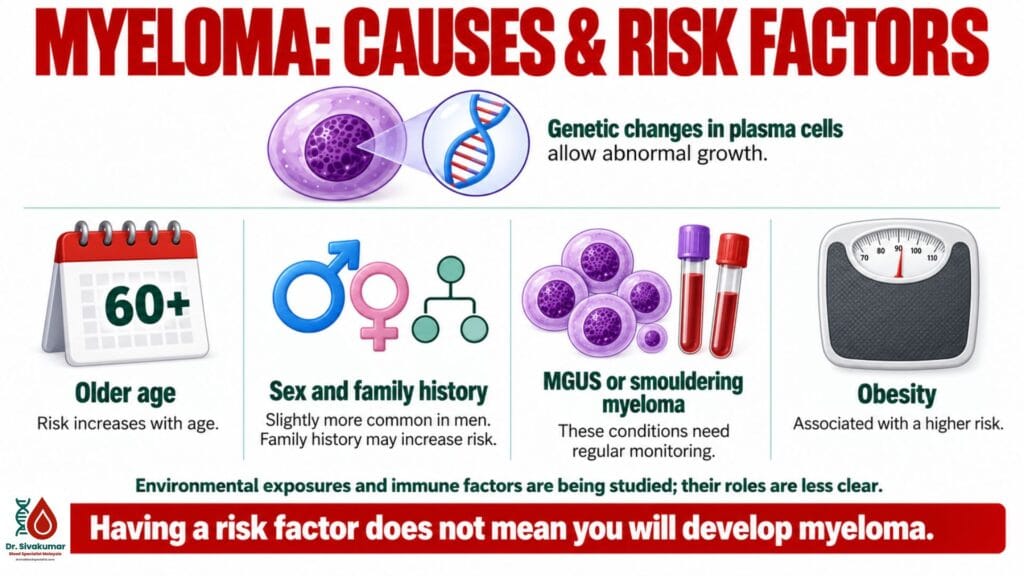
Age
Myeloma is more common in older adults. It can occur in younger patients, but the risk increases with age. This is one reason persistent anaemia, bone pain, kidney problems, or abnormal protein levels in older adults should be investigated carefully.
Sex and Family History
Myeloma is slightly more common in men than women. A family history of myeloma or related plasma cell disorders may increase risk slightly, although most patients do not have a strong inherited pattern.
MGUS and Smouldering Myeloma
MGUS and smouldering myeloma are important precursor conditions. Not everyone with these conditions will develop active myeloma, but they require monitoring because progression can occur over time. The level and type of monoclonal protein, light chain ratio, and bone marrow findings help determine risk.
Obesity and General Health
Obesity has been associated with a higher risk of myeloma in some studies. Chronic inflammation and metabolic changes may play a role, although the relationship is complex.
Environmental and Occupational Exposures
Some studies have explored links between myeloma and exposure to radiation, pesticides, industrial chemicals, or certain occupational settings. These associations are not always straightforward, and in many patients no clear exposure is identified.
Immune System Factors
Because myeloma arises from immune cells, long-term immune system changes may contribute to risk. However, most people with immune changes will never develop myeloma. Risk factors should be understood as possible contributors, not direct causes in every patient.
Symptoms and Warning Signs of Myeloma
Myeloma symptoms can develop slowly. Some patients have no symptoms at first and are diagnosed after abnormal blood or urine tests. Others develop bone pain, tiredness, infections, or kidney problems before myeloma is suspected.
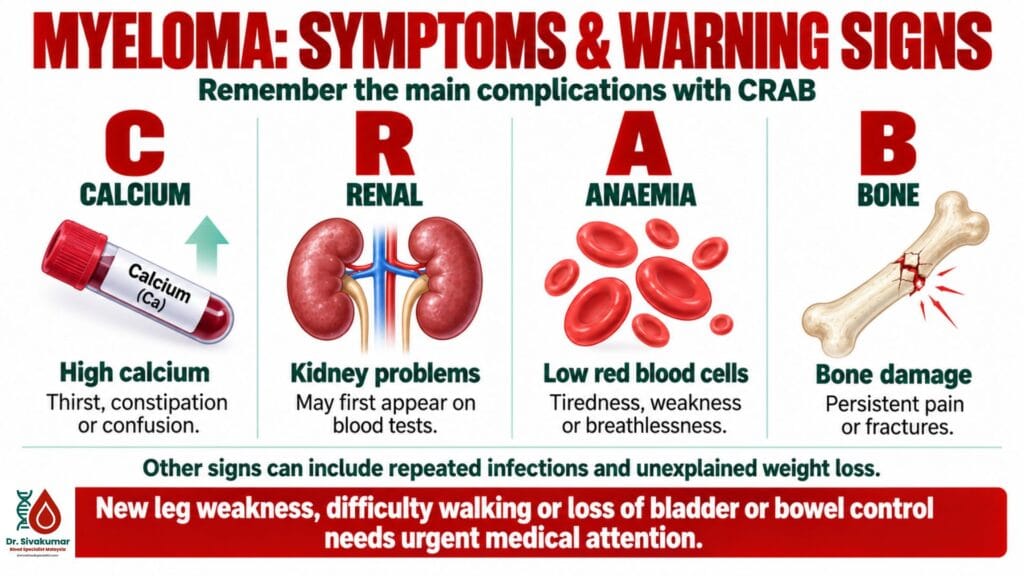
A useful way to remember the main complications of myeloma is CRAB: high calcium, renal or kidney problems, anaemia, and bone disease.
Bone Pain and Fractures
Bone pain is one of the most common symptoms. It often affects the back, ribs, hips, or skull. The pain may be persistent, worse with movement, or different from ordinary muscle strain. Myeloma can also weaken bones, causing fractures after minor injury or even during normal activity.
Fatigue and Anaemia
Myeloma cells can crowd the bone marrow and reduce healthy red blood cell production. This leads to anaemia, which may cause tiredness, weakness, dizziness, breathlessness, and reduced exercise tolerance.
Recurrent Infections
Although myeloma cells come from the immune system, they do not protect the body properly. At the same time, normal antibody production may be reduced. This can lead to repeated infections, especially chest infections, sinus infections, or infections that take longer to recover from.
Kidney Problems
Myeloma proteins can damage the kidneys. High calcium, dehydration, infections, and certain medications can worsen kidney strain. Some patients may not notice symptoms early, which is why kidney function tests are important.
High Calcium Levels
When myeloma affects bone, calcium can be released into the bloodstream. High calcium may cause thirst, constipation, nausea, confusion, tiredness, frequent urination, or dehydration. Severe high calcium requires urgent medical attention.
Other Possible Symptoms
Some patients may experience weight loss, reduced appetite, numbness or tingling, weakness, or symptoms related to spinal cord compression if weakened bones press on nerves.
Warning Signs That Need Prompt Medical Attention
Seek medical advice promptly if you have:
- Unexplained weight loss with abnormal blood results.
- Persistent back or bone pain with no clear cause.
- A fracture after minor injury.
- Severe fatigue or unexplained anaemia.
- Recurrent infections.
- Kidney problems on blood tests.
- High calcium levels.
- Weakness, numbness, or difficulty walking.
Diagnosis and Tests for Myeloma
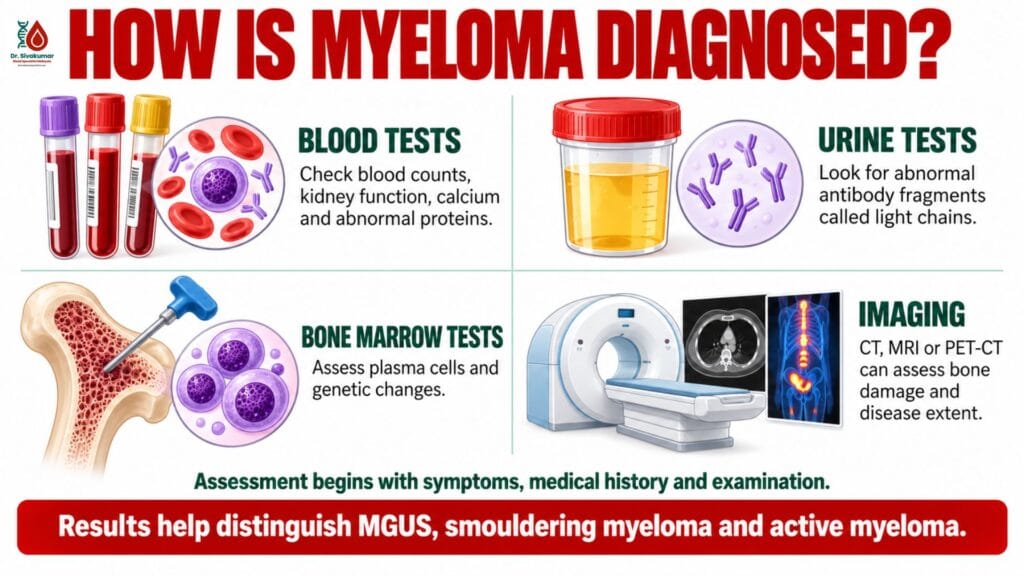
Myeloma diagnosis requires a structured evaluation. No single symptom confirms the disease. Doctors combine blood tests, urine tests, imaging, and bone marrow assessment to determine whether myeloma is present and whether treatment is needed.
Medical History and Physical Examination
The assessment begins with a review of symptoms such as bone pain, fatigue, infections, weight loss, kidney issues, or fractures. The doctor will also review past medical conditions, medications, family history, and previous abnormal blood tests.
A physical examination may look for bone tenderness, signs of anaemia, dehydration, infection, nerve involvement, or complications affecting mobility.
Blood Tests
Blood tests commonly include:
- Full blood count to check haemoglobin, white cells, and platelets.
- Kidney function tests.
- Calcium level.
- Albumin and other chemistry tests.
- Serum protein electrophoresis.
- Immunofixation.
- Serum free light chain assay.
- Beta-2 microglobulin and LDH for risk assessment.
These tests help detect monoclonal protein, assess organ involvement, and provide information about disease activity.
Urine Tests
Urine tests may detect light chains, sometimes called Bence Jones proteins. These proteins can be important in diagnosis and kidney risk assessment. A 24-hour urine collection may be requested in some cases.
Bone Marrow Examination
A bone marrow aspiration and biopsy helps confirm the number and nature of abnormal plasma cells. Samples may also be used for genetic and molecular tests that help assess risk and guide treatment planning.
Imaging Tests
Imaging is important because myeloma can damage bones even when ordinary X-rays are not enough. Tests may include whole-body low-dose CT, PET-CT, MRI, or targeted scans depending on symptoms and availability.
Why Accurate Diagnosis Matters
Accurate diagnosis helps distinguish MGUS, smouldering myeloma, and active myeloma. This distinction is important because not every patient needs immediate treatment. Some need monitoring, while others require urgent therapy to protect the kidneys, bones, blood counts, and overall health.
Treatment Options for Myeloma in Kuala Lumpur
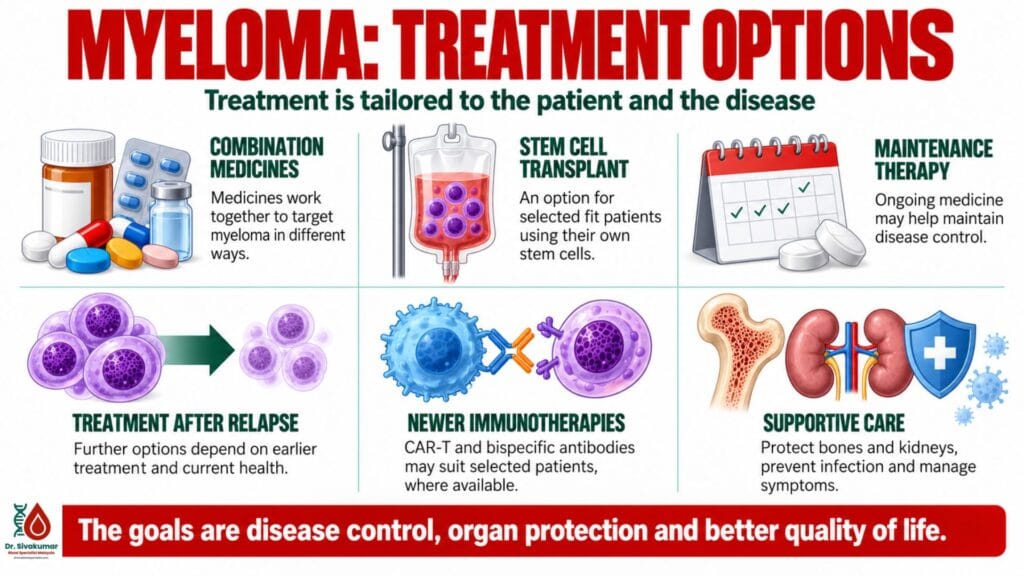
Myeloma treatment has changed significantly over the past two decades. Many patients now receive combinations of medicines that attack the disease in different ways. The aim is to control the myeloma, protect organs, reduce symptoms, improve quality of life, and achieve the deepest response possible.
Treatment depends on the patient’s age, fitness, kidney function, disease stage, genetic risk, symptoms, and whether the patient may be suitable for stem cell transplantation.
Initial Treatment
Initial treatment often combines several drug classes. These may include proteasome inhibitors, immunomodulatory drugs, monoclonal antibodies, corticosteroids, and sometimes chemotherapy. Using combinations allows doctors to target myeloma cells through different pathways.
Patients with kidney problems, severe bone disease, high calcium, or significant anaemia may need urgent treatment and supportive care at the same time.
Stem Cell Transplantation
Autologous stem cell transplantation may be recommended for selected fit patients. In this approach, the patient’s own stem cells are collected, high-dose chemotherapy is given to control the myeloma, and the stem cells are returned to help the bone marrow recover.
A transplant is not suitable for everyone. It depends on age, general health, organ function, response to initial therapy, and patient preference. For suitable patients, it remains an important part of treatment planning.
Maintenance Therapy
After initial treatment or transplant, some patients receive maintenance therapy to help keep the disease under control for longer. The choice of maintenance depends on disease risk, treatment response, side effects, and patient factors.
Treatment for Relapsed Myeloma
Myeloma can return after treatment. When this happens, the next treatment depends on what was used before, how long the response lasted, side effects, disease aggressiveness, and the patient’s current health.
Options may include new combinations of targeted drugs, monoclonal antibodies, immunomodulatory drugs, proteasome inhibitors, CAR-T therapy, bispecific antibodies, or clinical trials where available.
CAR-T Therapy and Newer Immunotherapies
For selected patients with relapsed or refractory multiple myeloma, CAR-T therapy or bispecific antibody therapy may be considered. These treatments redirect the immune system to recognise and attack myeloma cells. They are not suitable for every patient and require specialist assessment, careful timing, and close monitoring.
Supportive Care
Supportive care is essential in myeloma. It may include bone-strengthening treatment, pain control, infection prevention, vaccines where appropriate, blood transfusions, kidney support, physiotherapy, and advice on safe activity to reduce fracture risk.
Good supportive care is not secondary. It is central to helping patients stay well enough to continue treatment and maintain quality of life.
Recovery and Long-Term Management of Myeloma
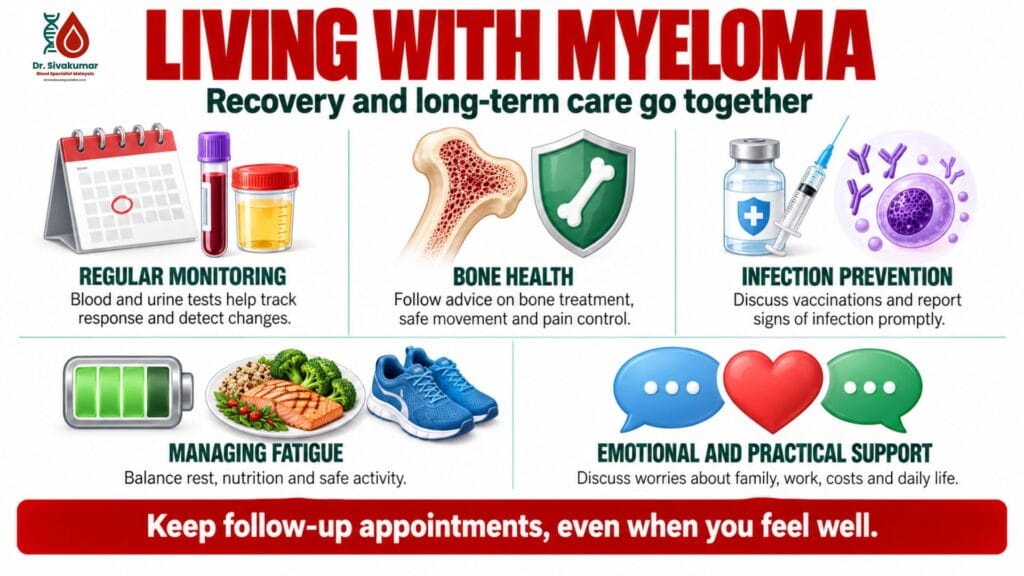
Myeloma is often managed as a long-term condition. Some patients achieve deep remission after treatment, while others live with periods of treatment, monitoring, response, and relapse. The goal is not only to control the cancer, but also to protect quality of life.
Monitoring Response
Patients usually need regular follow-up with blood tests, urine tests, and sometimes imaging. Doctors monitor monoclonal protein, light chains, blood counts, kidney function, calcium levels, and symptoms. These results help assess whether treatment is working and whether the disease remains controlled.
Managing Bone Health
Bone health is a major part of myeloma care. Patients may need bone-strengthening medicines, calcium and vitamin D guidance, pain control, physiotherapy, and advice on safe movement. Any new or worsening bone pain should be reported early.
Preventing Infection
Myeloma and its treatments can weaken immunity. Patients may need vaccination planning, preventive medication in selected cases, and early treatment of infections. Fever, persistent cough, or symptoms that worsen quickly should be taken seriously.
Fatigue and Daily Life
Fatigue is common during and after treatment. It may be related to anaemia, medication, sleep disruption, pain, infection, or the emotional impact of cancer. Gentle activity, nutrition, rest, and symptom control can help, but persistent fatigue should be discussed with the treating team.
Emotional and Practical Support
A myeloma diagnosis affects the whole family. Patients may worry about treatment, relapse, work, finances, and independence. Clear communication with the haematology team helps patients understand what to expect and make informed decisions.
With modern care, many patients with myeloma are able to return to meaningful routines. Long-term follow-up is part of staying ahead of the disease and managing complications early.
Dr Sivakumar’s Advice on Myeloma
One of the most important things I tell patients is that myeloma can be missed when symptoms are viewed in isolation. Back pain, tiredness, anaemia, kidney changes, or recurrent infections may each seem unrelated at first. But when these problems occur together, they should prompt proper investigation.
My advice is simple: do not ignore persistent bone pain, unexplained anaemia, abnormal kidney function, high calcium, or repeated infections. These may not always mean myeloma, but they should be assessed carefully, especially in older adults or patients with abnormal blood protein levels.
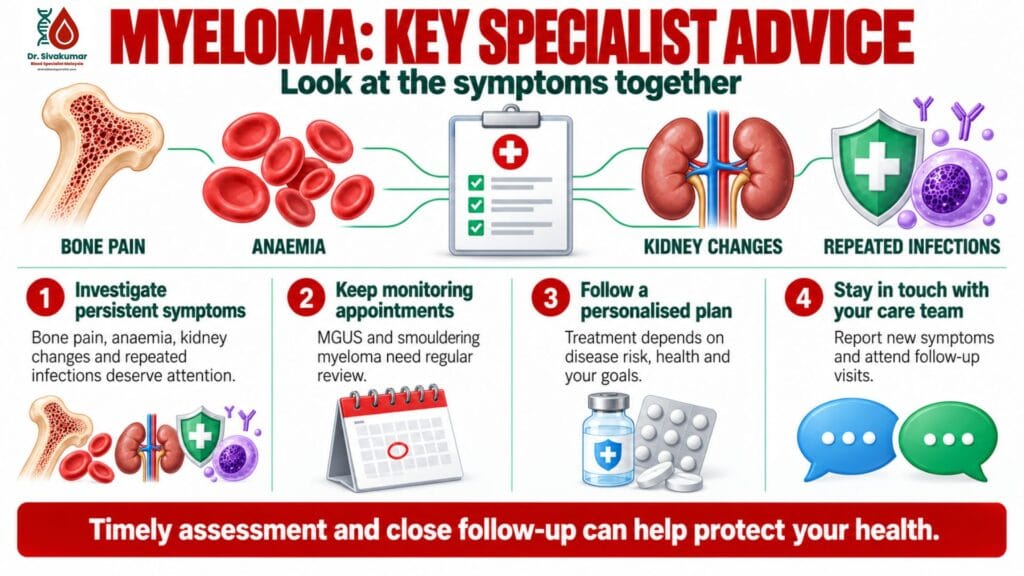
For patients diagnosed with MGUS or smouldering myeloma, regular monitoring is important. These conditions may remain stable for years, but follow-up helps detect progression early. For patients with active myeloma, treatment should be personalised. The best plan depends on disease risk, symptoms, organ function, fitness, previous treatment, and the patient’s goals.
Patients should also understand that myeloma treatment has improved significantly. We now have more effective options than before, including targeted therapies, immunotherapy, stem cell transplantation, CAR-T therapy, and newer immune-based treatments for selected patients. While myeloma can be a long-term condition, many patients can achieve good control and maintain meaningful quality of life.
The key is timely diagnosis, careful treatment selection, and close follow-up with a haematology team experienced in managing myeloma.
Book an Appointment with Dr Sivakumar Palaniappan
If you or a loved one has persistent bone pain, unexplained anaemia, recurrent infections, kidney problems, high calcium levels, or abnormal protein results on blood tests, it may be time to seek specialist advice.
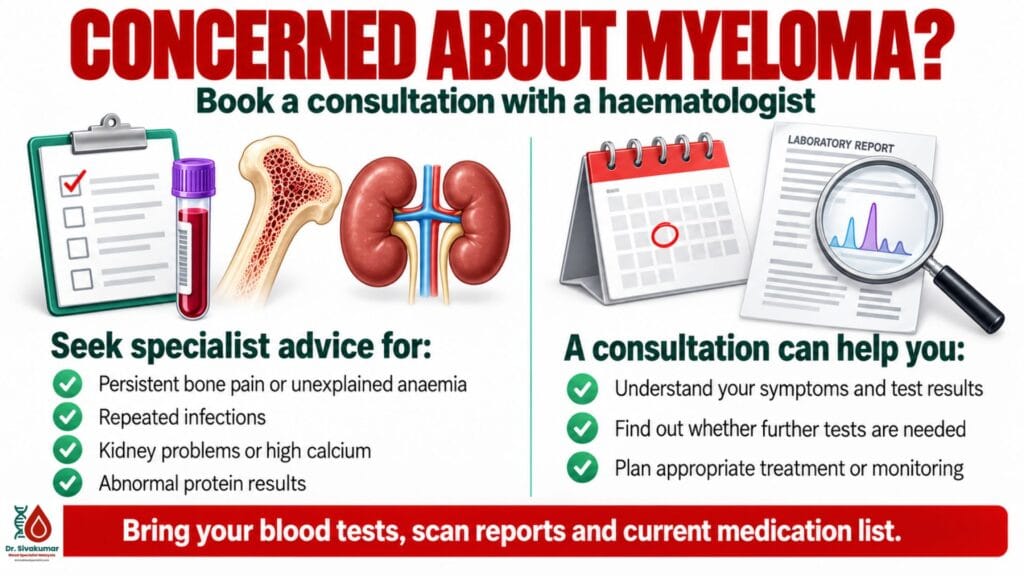
Dr Sivakumar Palaniappan is a Consultant Haematologist at Pantai Hospital Kuala Lumpur with experience in diagnosing and treating myeloma and other blood cancers. A consultation can help clarify whether your symptoms or test results may be related to a plasma cell disorder, determine whether further investigations are needed, and guide you towards the most appropriate treatment plan.
Early assessment can make a meaningful difference. If you are concerned about myeloma or have been told you may have MGUS, smouldering myeloma, or multiple myeloma, book an appointment with Dr Sivakumar Palaniappan for personalised evaluation and specialist care.
Contact & Request Appointment
Schedule a consultation with Dr. Siva by using the form below, calling his clinic or using the online booking button.
Appointment Form
Clinic Contact
Clinic: +603-2280 1169
Mobile: +6017-787 8293
Block A, Level 5, A539, 8, Jalan Bukit Pantai, 59100 Kuala Lumpur, Malaysia
Mon – Fri: 09:00 – 17:00
Sat: 09:00 – 13:00
Sun & Holidays: closed
Frequently Asked Questions

 English (UK)
 Bahasa Melayu
 தமிழ்
 Bahasa Indonesia
